
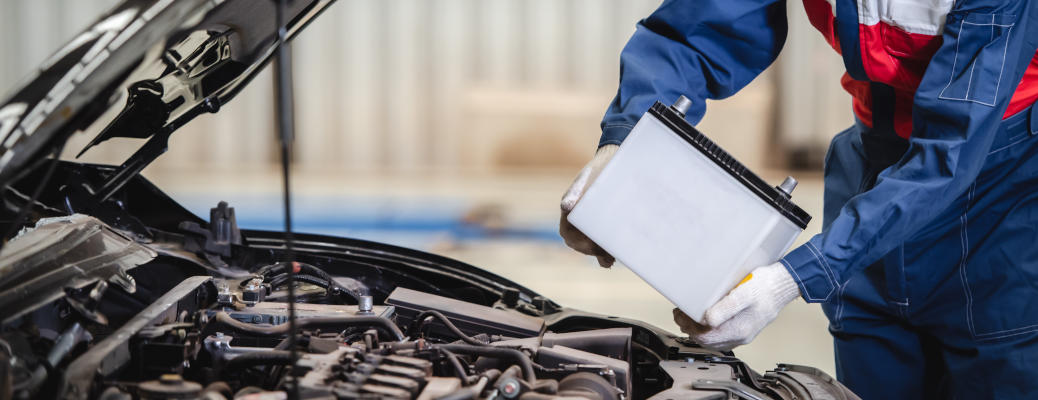
Caring for Your Car’s Battery in Puerto Rico’s Heat
Starting your car should be the easiest part of your morning commute, yet many drivers in the Caribbean face the sudden click of a dead engine. Flagship Honda, with our primary service hub in San Juan and additional centers in Bayamon, Caguas, Cayey, Ponce, and Rio Grande, sees this issue daily. Many of our customers frequently ask: do car batteries die faster in hot climates? The answer is a resounding yes, as the intense tropical sun in Puerto Rico acts like a slow-motion drain on your vehicle’s electrical heart.
Do Car Batteries Die Faster in Hot Climates?
While most people associate battery failure with cold winter mornings, the reality is that heat is a much more aggressive killer of lead-acid batteries. Specifically, high temperatures cause liquid electrolyte inside the battery to evaporate more quickly. Furthermore, the internal chemical reactions that store energy are accelerated by heat, which leads to internal corrosion and a shortened overall lifespan. Therefore, when you are parked in the midday sun in San Juan, your battery is undergoing stress that a car in a cooler region simply does not experience.
Practical Steps to Protect Your Power
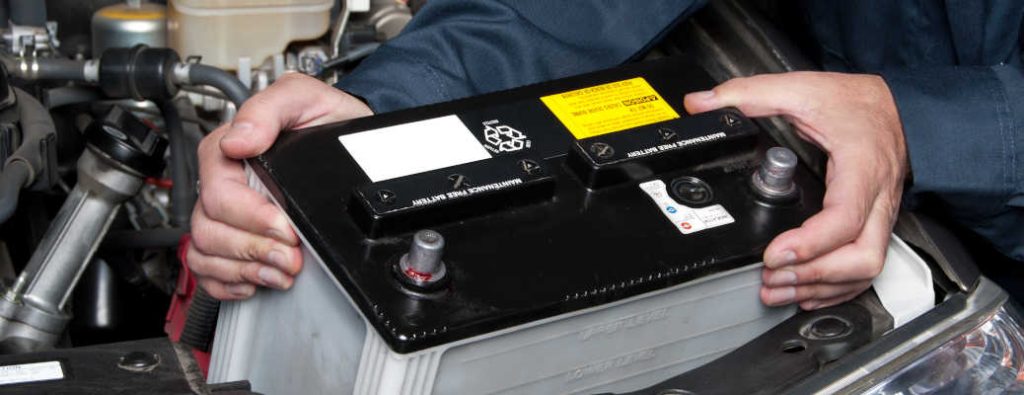
You can take several proactive measures to ensure your 2026 Honda remains reliable despite the humidity and high temperatures. First, try to park in the shade or use a garage whenever possible to keep the engine bay temperature down. Moreover, keeping the battery terminals clean is essential because salt air from our beautiful coast can cause white, crusty corrosion that blocks the flow of electricity. Lastly, if you mostly take short trips around the city, your alternator may not have enough time to fully recharge the battery, so an occasional longer drive can actually help maintain its health.
Keep an eye out for these warning signs of a failing battery:
- Slow Crank: The engine takes longer than usual to turn over or sounds sluggish.
- Dim Headlights: Your lights appear yellow or flicker when you are idling at a stoplight.
- Corroded Connectors: You see a powdery substance buildup around the metal battery posts.
- Old Age: Most batteries in our climate only last between two and three years.
You Might Also Like: How to Know When Your Vehicle Needs a Battery Change
Why Do Car Batteries Die Faster in Hot Climates?
The science behind battery failure is quite simple once you look at the chemistry involved. Because the heat speeds up the degradation of the internal lead plates, the battery loses its ability to hold a charge much sooner than the manufacturer’s label might suggest. Consequently, we recommend a battery load test during every routine oil change to ensure you aren’t left stranded on the side of the PR-22.
Get a Fresh Start at Flagship Honda
Do not wait for your car to refuse to start before you take action. Whether you are located near San Juan, Bayamon, Caguas, Cayey, Ponce, or Rio Grande, our expert technicians are ready to test your charging system and install a fresh Genuine Honda battery if needed. Please schedule service today to ensure your vehicle is ready for the heat of the season.